
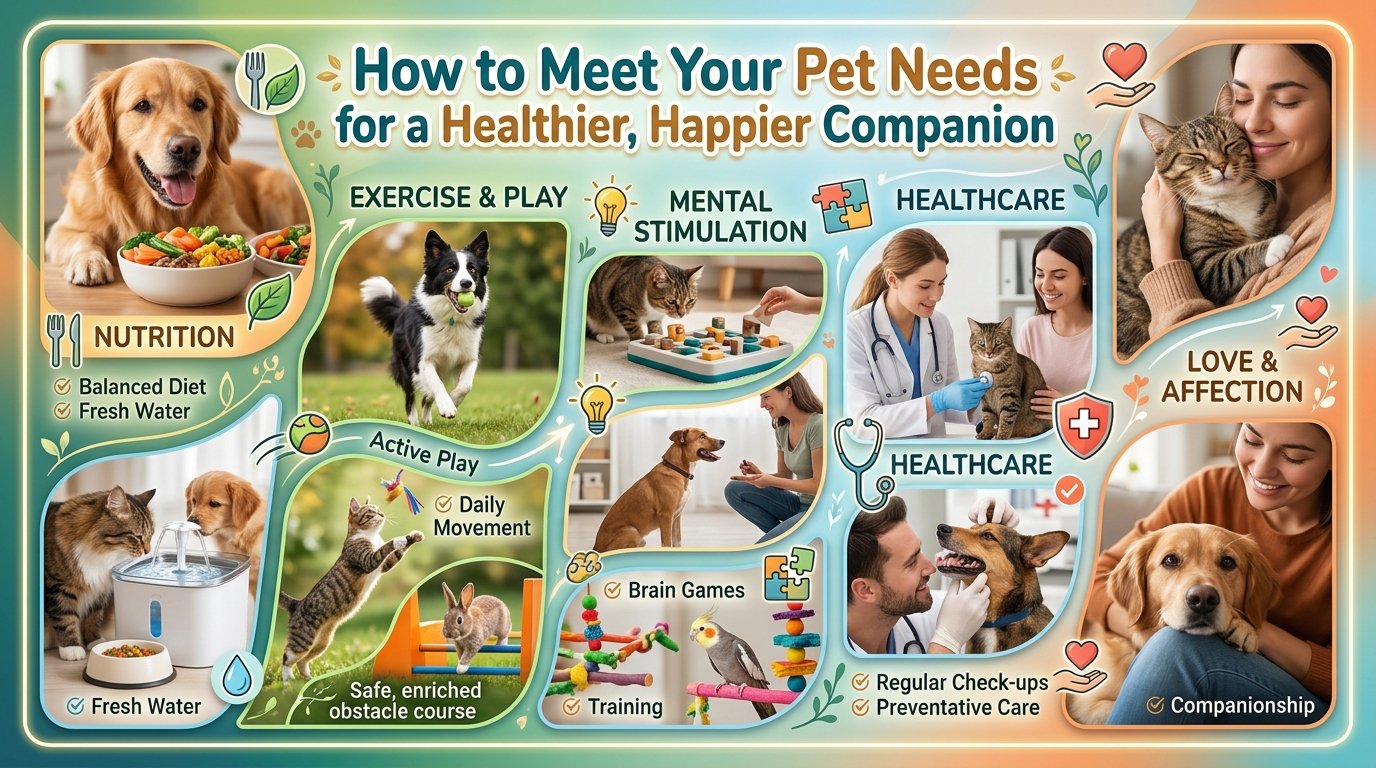

Every pet deserves to live a happy and healthy life. Meeting your pet needs properly is the key to making that happen. When you understand your pet’s daily requirements, you can provide better care, nutrition, and love.
Many pet owners think feeding and walking their pets is enough. However, pet needs go beyond food and exercise. Pet care involves emotional support, mental stimulation, and regular health attention. Keeping pets healthy requires attention to their pets daily routine, hygiene, and wellbeing.
By understanding your pet’s specific requirements, you can prevent illnesses and improve behaviour. This guide will help you learn how to address all pet needs, including pet nutrition, exercise, socialisation, and pet wellness. Following these tips ensures your companion remains energetic, happy, and stress-free every day.
Understanding Your Pet Needs for a Happy and Healthy Life
Meeting your pet’s needs begins with understanding what makes them thrive. Every animal has unique requirements, from dogs and cats to smaller pets like rabbits or hamsters. Pet needs include not only food and exercise but also mental stimulation, emotional comfort, and a safe environment. Failing to meet these needs can lead to behavioural issues, health problems, or stress.
Understanding pet behavior is essential. Observing how your pet reacts to new environments or changes in routine helps you adapt your care. Many pets show signs of anxiety when their pet’s daily routine is disrupted. Providing a safe environment for pets and maintaining consistency ensures they feel secure and content.
Experts often highlight the link between well-being and pet wellness. Dr Jane Williams, a veterinary behaviourist, notes, “Pets that have consistent care and attention tend to live longer, healthier lives with fewer behavioural problems.” By focusing on keeping pets healthy and fulfilling all aspects of pets needs, you build a stronger, happier bond with your companion.
Essential Food and Nutrition Requirements for Pet Needs
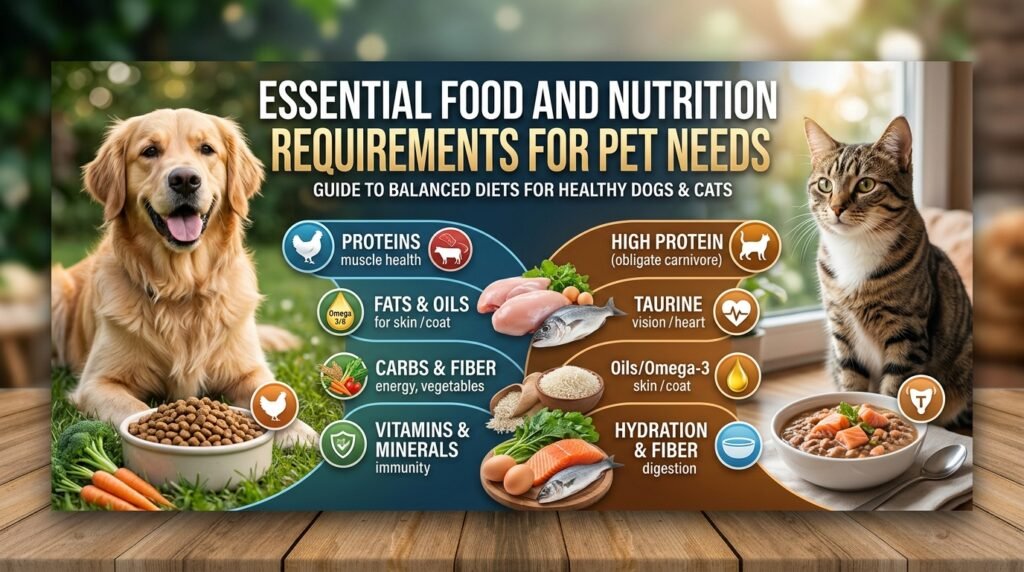
Proper nutrition is at the heart of meeting your pet needs. Pet nutrition affects every aspect of health, from energy levels to immune function. Choosing the right pet food is crucial. For example, puppies and kittens need more protein, while older pets benefit from diets supporting joint health.
Feeding your pet properly means providing balanced meals and the right portion sizes. Overfeeding or underfeeding can cause obesity or malnutrition, both of which harm overall pet health. Using high-quality pet supplies like bowls, feeders, or slow feeders can make mealtimes stress-free and safe.
Supplements can sometimes improve nutrition, but consulting a veterinarian first is essential. Signs of healthy pets include shiny coats, clear eyes, and regular bowel movements. Regular monitoring ensures you are truly meeting your pets needs in terms of diet and wellness.
Pet Nutrition Needs by Type
| Pet Type | Key Nutritional Needs | Example Foods |
| Dogs | Protein, fats, vitamins | Chicken, rice, veggies |
| Cats | Taurine, protein, fat | Fish, poultry, cat kibble |
| Rabbits | Fibre, calcium, vitamin C | Hay, leafy greens |
| Small rodents | Protein, vitamins, fibre | Pellets, fresh fruits |
How Exercise and Play Fulfil Your Pet Needs Daily
Exercise is more than a fun activity; it is an essential part of pet care. Daily physical activity keeps pets fit and helps maintain healthy weight. It also prevents behavioural problems like chewing, digging, or excessive barking. For dogs, regular walks and playtime support cardiovascular health and mental stimulation. Cats need climbing, chasing, and interactive play to mimic natural hunting behaviours.
Using pet toys effectively encourages movement and curiosity. Toys like balls, puzzle feeders, or scratching posts help maintain pet wellness while engaging their minds. Exercise for pets also helps relieve stress and anxiety, contributing to better overall behaviour.
Maintaining an exercise routine is critical. Even small sessions spread throughout the day can improve pet health. For example, 20 minutes of indoor play for cats or short walks with dogs several times daily meet physical and mental pets needs. Ensuring your pet gets the right type and amount of activity is just as important as providing nutritious food.
Meeting Emotional and Social Pet Needs Effectively
Pets have emotional needs that must be addressed for happiness. Socialisation, attention, and companionship play a major role in overall wellbeing. Dogs, for instance, thrive on interaction with owners and other pets, while cats enjoy affection at their own pace. Understanding pet behavior helps recognise stress, anxiety, or loneliness.
Training pets at home can improve emotional stability. Training pets at home not only teaches commands but strengthens the human-animal bond. Providing a predictable pets daily routine also creates a sense of security. Many experts suggest pairing playtime, cuddles, and short training sessions to cover both emotional and mental pets needs.
Creating a safe environment for pets reduces stress. Comfortable bedding, quiet spaces, and familiar toys help pets feel at ease. Attending to pets emotional needs improves behaviour, reduces destructive tendencies, and enhances your relationship with your companion.
Regular Health Checkups to Address Your Pet Needs

Regular veterinary checkups are vital to maintaining pet health. Routine visits catch early signs of illness and ensure vaccinations are up to date. Checking pet hygiene, monitoring weight, and assessing overall wellness are part of fulfilling pets needs.
Preventing pet illnesses is easier than treating them. Annual blood tests, dental care, and parasite prevention protect pets from serious conditions. Maintaining pet hygiene, including grooming, bathing, and nail trimming, reduces infection risks. Tracking pet wellness during checkups helps you adapt nutrition, exercise, and behavioural routines accordingly.
Signs of healthy pets include alertness, regular appetite, and consistent energy levels. When you prioritise keeping pets healthy, you create a long-lasting, fulfilling relationship with your companion.
FAQs
What should I feed my pet to keep it healthy?
Providing a balanced diet with proper nutrients, fresh water, and high-quality food meets their daily nutrition and keeps them energetic and healthy.
How often should my pet exercise?
Daily physical activity, like walks or interactive play, is essential for energy management, mental stimulation, and maintaining overall fitness and wellness.
How can I keep my pet clean and hygienic?
Regular grooming, bathing, nail trimming, and cleaning their living area ensures good hygiene, prevents illnesses, and supports their overall health.
What is the best way to train my pet?
Consistent training at home using positive reinforcement helps improve behaviour, strengthens your bond, and ensures pets feel safe and confident in daily routines.
How can I ensure my pet is emotionally happy?
Pets need attention, affection, and social interaction daily. Meeting their emotional needs reduces stress, anxiety, and destructive behaviour while boosting overall wellbeing.
How often should my pet see a vet?
Routine health checkups, vaccinations, and monitoring prevent illnesses, maintain hygiene, and help track wellness for long-term health and a happy life.
What items are essential for my pet’s daily life?
Providing proper toys, safe bedding, nutritious food, grooming tools, and a structured routine ensures comfort, safety, mental stimulation, and consistent care for pets.
Conclusion
Meeting your pet needs ensures your companion lives a happy, healthy life. Understanding daily requirements, providing balanced nutrition, exercise, and emotional care is essential. Pets thrive when you prioritise both physical and mental wellness.
Following pet routines, maintaining hygiene, and offering consistent pet care makes a big difference. Regular checkups and attention to behaviour allow you to spot problems early. Fulfilling pet needs strengthens your bond and prevents health issues.
Every pet deserves a safe environment, proper diet, exercise, and love. Paying attention to all pet needs not only keeps pets healthy but creates a joyful, stress-free life for both you and your companion. Consistent effort today ensures a happier tomorrow for your furry friend.
Ultimate Guide to a Healthy Pet Plan for Happy Pets shows practical tips for diet, exercise, and wellness to keep your pets healthy and happy.