

Every pet deserves a home where they feel safe, loved, and cared for. Happy pets are not only fun to be around but also healthier and more active. When pets receive the right attention, nutrition, and exercise, their mood and behaviour improve significantly.
Creating happy pets at home involves more than feeding and shelter. You need to pay attention to pets wellbeing, daily routines, and emotional needs. Understanding how to keep pets happy ensures they develop trust and form stronger bonds with you. Content pets show affection, playfulness, and positive behaviour, which reflects good care.
This guide will show you practical ways to maintain pet happiness, from feeding pets for happiness to exercise, safe environments, socialisation, and bonding. By following these tips, you can enjoy joyful pets who thrive physically, emotionally, and mentally in your home.
Essential Care Tips to Keep Your Happy Pets Healthy
Maintaining healthy pets begins with consistent routines and attentive care. Establishing a daily routine for pets helps them feel secure and reduces stress. Regular feeding, grooming, and exercise are fundamental pet care tips that improve both physical and emotional wellbeing.
For example, brushing a dog or cat not only keeps their coat shiny but also reduces anxiety, making stress-free pets more common in your home.Nutrition plays a central role in pets wellbeing. Providing a balanced diet tailored to your pet’s age, size, and health ensures strong growth and overall happiness.
Studies show that pets with proper diets exhibit better behaviour and are less prone to illness. Content pets often reflect the quality of care they receive, and tracking their health and daily habits allows owners to notice early signs of stress or discomfort. Ultimately, consistent care is the foundation of happy pet who thrive at home.
How Playtime and Exercise Contribute to Happy Pets

Exercise and play are essential for playful pets and overall health. Physical activity keeps pets fit, prevents obesity, and reduces destructive behaviour. Engaging pets in games like fetch, tug-of-war, or interactive puzzle toys improves pets mental health and strengthens their bond with owners.
Case studies reveal that dogs who receive regular exercise show higher obedience and fewer behavioural issues, while cats with daily playtime exhibit calmer, more affectionate behaviour.Providing fun activities for pets keeps their minds active and prevents boredom. For small animals like rabbits or guinea pigs, obstacle courses and tunnels replicate natural behaviour and support active pets lifestyles.
By investing time in exercise, you also contribute to improving pet happiness, ensuring your pets are energetic, joyful, and mentally stimulated. Even simple walks around the garden or short indoor games can create happy pet at home who thrive physically and emotionally.
Feeding Guidelines for Happy Pets and Strong Growth
Proper nutrition is vital for happy pet at home. Pet nutrition influences growth, energy, mood, and long-term health. Feeding schedules create structured pets routine and prevent overeating, which is important for maintaining healthy weight. Balanced meals with proteins, fats, and essential vitamins keep healthy pets active and content.
Feeding pets for happiness also involves variety and interactive methods. Puzzle feeders and timed treats encourage mental stimulation while eating. Treats should complement a balanced diet, not replace it. A simple table can help guide feeding practices:
| Pet Type | Recommended Meals | Treat Frequency | Notes |
| Dogs | 2–3 times/day | 1–2 treats/day | Include protein-rich foods |
| Cats | 2–4 times/day | 1 treat/day | Mix wet and dry food |
| Small mammals | 2 times/day | Occasional | Fresh vegetables daily |
By maintaining proper healthy habits for pets, including feeding schedules, quality food, and occasional treats, you can raise content pets who enjoy their meals and remain energetic. Proper nutrition is one of the most effective ways to ensure pet happiness and long-term health.
Creating a Safe and Comfortable Home for Happy Pets
A secure home is key for stress-free pets. Providing a safe environment for pets involves removing hazards, offering soft bedding, and creating quiet corners where they can rest. Pets lifestyle improves when pets feel secure, which contributes to better behaviour and stronger bonds with their owners.
Comfortable spaces reduce anxiety and enhance pets wellbeing. For example, cats enjoy elevated perches and hiding spots, while dogs benefit from comfortable crates or calm areas.
Observing your pets’ behaviour allows you to adjust their environment to meet their emotional and physical needs. When pets feel safe, they are more likely to exhibit joyful pets behaviour, play actively, and interact positively, making happiest pets at home a reality.
Socialization and Bonding Techniques for Happy Pets
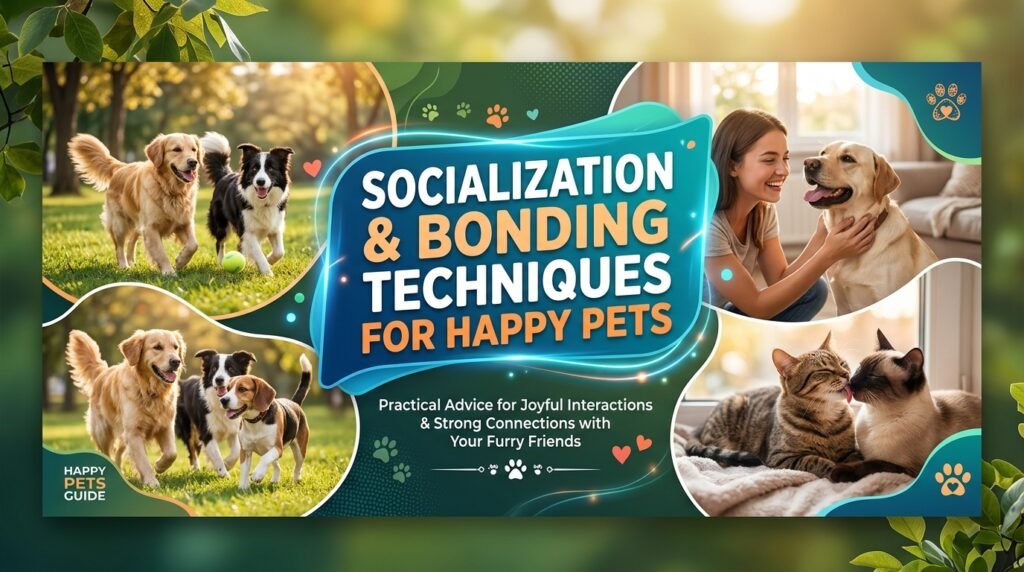
Pet bonding is essential for a happy pet at home. Spending time together through play, training, and cuddles strengthens the human-animal connection. Positive reinforcement, gentle praise, and affectionate attention are ways to cheer pets, enhancing their pets mental health and encouraging good behaviour.
Social interactions with other animals and humans are also critical. Social pets interactions reduce anxiety, build confidence, and prevent destructive habits. Training sessions can be both fun and educational, creating opportunities for engagement and growth.
Dogs in group classes often display improved obedience, while cats gradually introduced to other pets show playful, relaxed behaviour. Focusing on improving pet happiness ensures that your pets remain emotionally fulfilled and truly content pets in your home.
Recognizing Signs of Stress to Maintain Happy Pets
Even the most joyful pets can experience stress. Recognising signs of happy pet versus stress is essential for long-term pet happiness. Common indicators include reduced appetite, excessive grooming, withdrawal, or unusual aggression.
Observing these behaviours allows owners to respond quickly, promoting pets emotional wellbeing. Addressing stress proactively includes providing interactive toys, gentle exercise, and quiet spaces. Dogs may benefit from soothing music or calming scents, while cats enjoy elevated perches and hidden retreats.
By prioritising pets mental health and recognising signs of stress, owners ensure that their content pets remain playful, healthy, and emotionally balanced. Daily attention, love, and proper care are key for maintaining a happy pet at home.
FAQs
How can I keep pets active daily?
Regular walks, playful games, and interactive toys help maintain energy and reduce stress, keeping Happy Pets joyful while supporting their physical and mental wellbeing every single day.
How do I know my pets are content?
Relaxed behaviour, playful energy, and consistent eating habits show contentment. Observing daily routines ensures Happy Pets stay healthy and emotionally balanced in a safe environment.
What diet helps pets stay healthy?
A balanced diet with proteins, vitamins, and occasional treats supports growth and energy. Consistent feeding encourages healthy habits and overall wellbeing for joyful, stress-free Happy Pets.
How can I bond with pets effectively?
Spending quality time, gentle play, and positive reinforcement builds trust. Engaging pets emotionally improves their mental health, creating happy pets at home.
How do I reduce stress in pets?
Providing quiet spaces, safe routines, and mental stimulation, Happy Pets calm. Regular exercise and attention support emotional wellbeing and prevent anxiety or destructive behaviour.
Why is social interaction important for pets?
Regular play with humans or other animals improves confidence, reduces anxiety, and encourages playful energy. Happy Pets are more joyful and emotionally balanced every day.
What signs show pets need more care?
Changes in appetite, behaviour, or energy often indicate stress or health issues. Observing pets closely helps maintain healthy, and Happy Pets in your home.
Conclusion
Raising happy pets at home requires dedication, attention, and understanding. When pets receive proper nutrition, regular exercise, and emotional support, their pet happiness flourishes. Healthy routines, playtime, and safe spaces are the foundation of healthy pets and joyful pets who thrive.
Bonding, socialisation, and recognising stress are equally important. Stress-free pets who feel secure and loved are more affectionate, playful, and responsive. Observing signs of happy pets allows owners to adjust care and ensure long-term wellbeing.
By following these practical tips, from feeding pets for happiness to creating enriching environments, you can enjoy content pets who are physically, emotionally, and mentally fulfilled. A loving home fosters happy pets at home and strengthens the lifelong bond between you and your furry companions.
Best lifetime pet insurance for dogs explained. Learn costs, benefits, coverage and tips to choose the right long-term dog insurance.