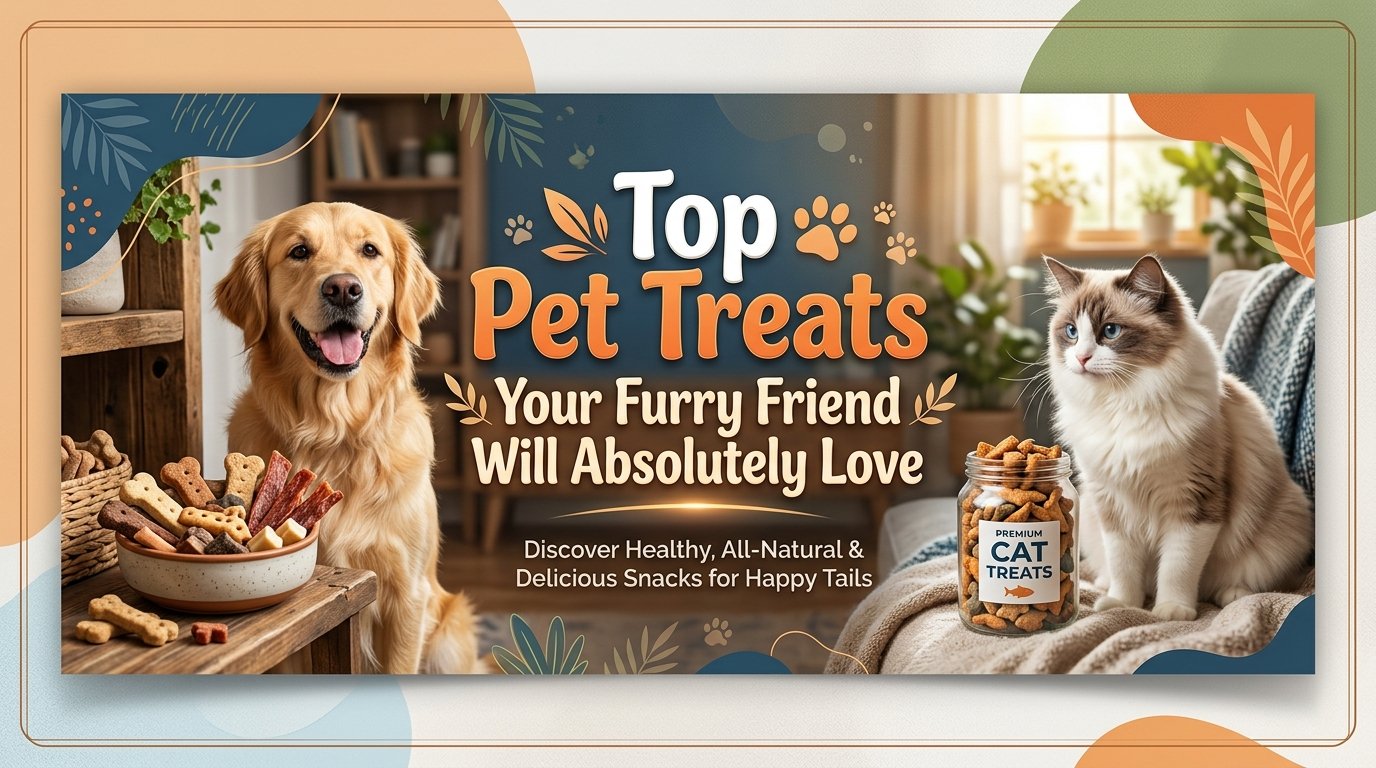

Every pet deserves a little extra love, and pet treats are one of the easiest ways to show it. From dog treats to cat treats, there’s a wide variety that can make tails wag and purrs louder. Choosing the right pets treats isn’t just about taste it’s about health and happiness too.
Many pet owners struggle to find healthy pet snacks that are safe and nutritious. With so many options like organic pets treats or homemade pet treats, it can feel overwhelming. Whether you have a playful puppy or a calm senior dog, there’s a treat designed to suit every pet’s needs.
The best pet treats don’t just reward good behaviour. They can support dental health, improve digestion, and even help with training. In this guide, you’ll discover the top tips for selecting pets treats, explore puppy treats, senior dog treats, and learn how to introduce new snacks safely.
What Makes the Best Pet Treats for Your Furry Friend
The best pet treats are more than tasty bites they balance flavour, nutrition, and safety. Pets have different needs depending on age, size, and breed. For instance, puppy treats are softer and easy to chew, while senior dog treats often include supplements for joints and digestion. Small dog treats are bite-sized for tiny mouths, and crunchy dog treats can help maintain dental health.
Cats, on the other hand, often prefer soft cat treats or flavoured options like salmon or chicken. Many pet owners choose luxury pets treats for special occasions or as rewards during training. The most popular training treats are small, low-calorie, and easy to handle.
Natural pets treats and organic pets treats are increasingly preferred because they avoid artificial additives. Pets thrive on wholesome ingredients that mirror their natural diet. Selecting the right treats involves understanding what your pet likes, what supports their health, and what encourages good behaviour.
Ingredients to Look for in Healthy Pet Treats
When searching for healthy pet snacks, ingredients matter more than packaging. Look for lean proteins like chicken, beef, or fish, which form the basis of most dog treats and cat treats. Whole grains, fruits, and vegetables provide fibre and essential vitamins. Avoid artificial colours, flavours, and preservatives, as they can trigger allergies or digestive issues.
Grain-free treats are a popular choice for pets with sensitivities. Low-fat and low-calorie pets treats are great for maintaining a healthy weight. Dental dog treats help clean teeth naturally, and bite-sized dog treats are perfect for training sessions. Edible pet snacks should always be easy to digest and safe for your pet’s age and size.
Some owners even experiment with homemade pets treats, using recipes that include wholesome ingredients. Not only does this ensure safety, but it also allows you to tailor the flavour and texture to your pet’s preference. Using natural foods, you can create soft treats for cats or chewable treats for dogs that they’ll love.
Homemade vs Store-Bought Pet Treats: Pros and Cons
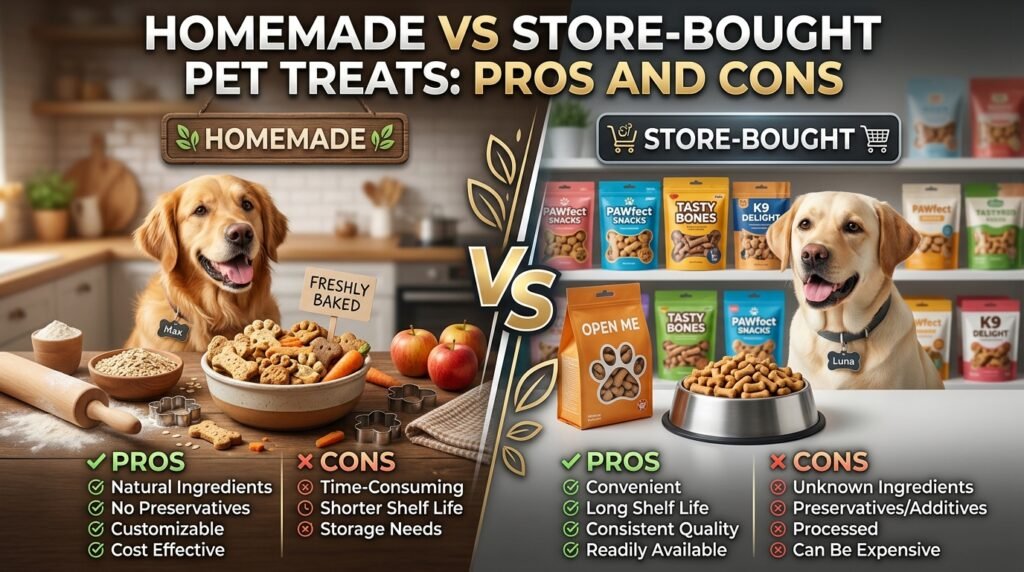
Choosing between homemade pet treats and store-bought options depends on convenience, safety, and nutrition. Homemade pets treats allow you to control every ingredient. You can create healthy snacks for pets without fillers or chemicals. Recipes can include chicken, carrots, pumpkin, or peanut butter, providing both taste and nutrients.
Store-bought pet treats are convenient and often come in a wide variety, including organic snacks for pets, luxury pets treats, and special options like special diet pets treats. Many brands also offer training rewards for pets, flavored pets treats, and chew treats designed to last longer.
A good strategy is to mix both. For example, give homemade pets treats occasionally for freshness and store-bought treats for convenience or training. This way, pets enjoy fun treats for pets while staying healthy with natural dog treats and safe pets treats.
How to Choose the Right Pet Treats for Different Breeds
Different breeds have different needs. Small dogs benefit from small dog treats or bite-sized dog treats, while larger breeds may enjoy chewable treats for dogs that keep them engaged. Puppies often need soft, easy-to-digest puppy treats, while older dogs may need senior dog treats that support joint and dental health.
Cats respond best to soft cat treats, and many enjoy flavored pet treats to spark interest. Consider dietary needs like allergies or sensitivities, which makes grain-free treats and low-fat pets excellent options. Pets with special diets may benefit from pet-friendly treats and organic pets that cater to specific health concerns.
Training sessions are easier with pet rewards. Dog snack ideas and cat snack ideas can turn learning into a fun experience. Always choose treats that are safe, nutritious, and enjoyable for your pet’s breed, size, and age.
Tips for Safely Introducing New Pet Treats
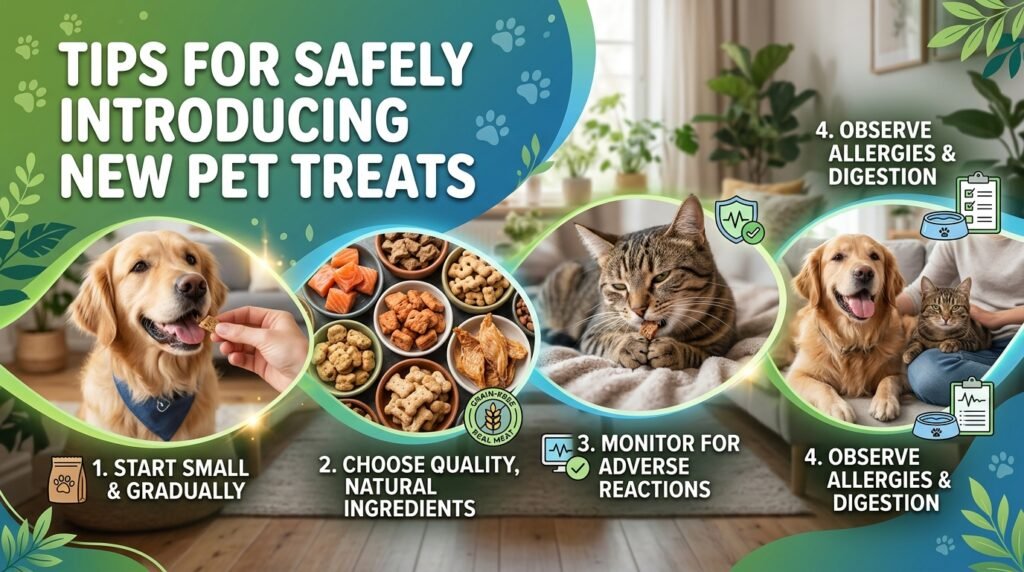
Introducing pet treats gradually is essential. Start with small portions to ensure your pet tolerates the new flavour or ingredient. Watch for signs of allergies or digestive upset. Safe pets treats are always free from artificial additives, toxic foods, and excessive sugar.
Mix new treats for dogs or treats for cats with familiar snacks to make the transition easier. Keep training treats for pets small and reward frequently. Monitor your pet’s response, especially when trying low-calorie pets treats, chewable treats for dogs, or soft treats for cats.
Using fun treats for pets like luxury pets treats occasionally can make the experience exciting, but always prioritise safety. Gradual introduction and careful observation ensure your pet stays happy, healthy, and motivated.
FAQs
What are safe snacks for my dog?
Choose treats made from natural ingredients with no artificial additives. Small, bite-sized snacks are perfect for training and rewarding good behaviour regularly.
Can my cat eat these types of snacks?
Yes, soft and flavoured options work well for cats. They provide extra nutrition and enjoyment without upsetting digestion or causing weight gain.
How often should I give treats to pets?
Treats should be given in moderation. Too many can lead to weight gain, so use them mainly for training and occasional rewards.
Are homemade options better than store-bought?
Homemade snacks let you control ingredients for safety and nutrition. Store-bought treats offer convenience, variety, and special options for dental or dietary needs.
Which treats help with dental health?
Crunchy snacks designed for chewing help reduce plaque buildup. Dental-focused options are available for both dogs and cats to keep teeth strong.
What should I consider for puppies or older pets?
Puppies need soft, easy-to-chew snacks while senior pets benefit from joint-friendly, low-fat, or specially formulated treats for digestion and overall health.
Can treats be part of training?
Yes, small, low-calorie treats work best for training. Rewards encourage learning, build positive habits, and make your pet more responsive during sessions.
Conclusion
Pet treats are more than just snacks they are a way to show love, encourage good behaviour, and support health. From dog treats to cat treats, there’s something for every pet, from playful puppies to senior companions.
Choosing healthy pet snacks, natural pets treats, and organic pet treats ensures your furry friend stays happy and safe. Training treats, chew treats, and soft cat treats can make learning fun, while luxury pets treats and fun treats for pets add excitement to their day.
By understanding your pet’s needs, age, and preferences, you can select the best pet treats. Introducing new snacks gradually and monitoring reactions keeps your pet healthy and motivated. Your furry friend will absolutely love every bite, and you’ll enjoy seeing them happy and active with every treat you offer.
Learn top pet health care practices to keep pets healthy, active, and happy with simple routines, expert tips, and safe home care guidance.